Affordable Wedding Venues in Nashville: The Grahams Estate Classic Package
Read MoreHow to Write a Personalized Wedding Ceremony Script You’ll Never Forget
The ceremony is the heart of your wedding day—the moment everything becomes real. While receptions are full of movement and celebration, the ceremony is intimate, emotional, and beautifully grounded. It’s where you speak your promises, share your story, and stand together in front of the people who matter most. Crafting a personalized ceremony script ensures this moment feels deeply authentic and unforgettable.
Couples hosting weddings in Gallatin or throughout the Nashville area often want ceremonies that reflect their personalities: warm, meaningful, and rooted in their relationship rather than tradition alone. Whether you're writing everything from scratch or personalizing an existing format, this guide will help you shape a ceremony script that feels like you—from the opening welcome to the final kiss.
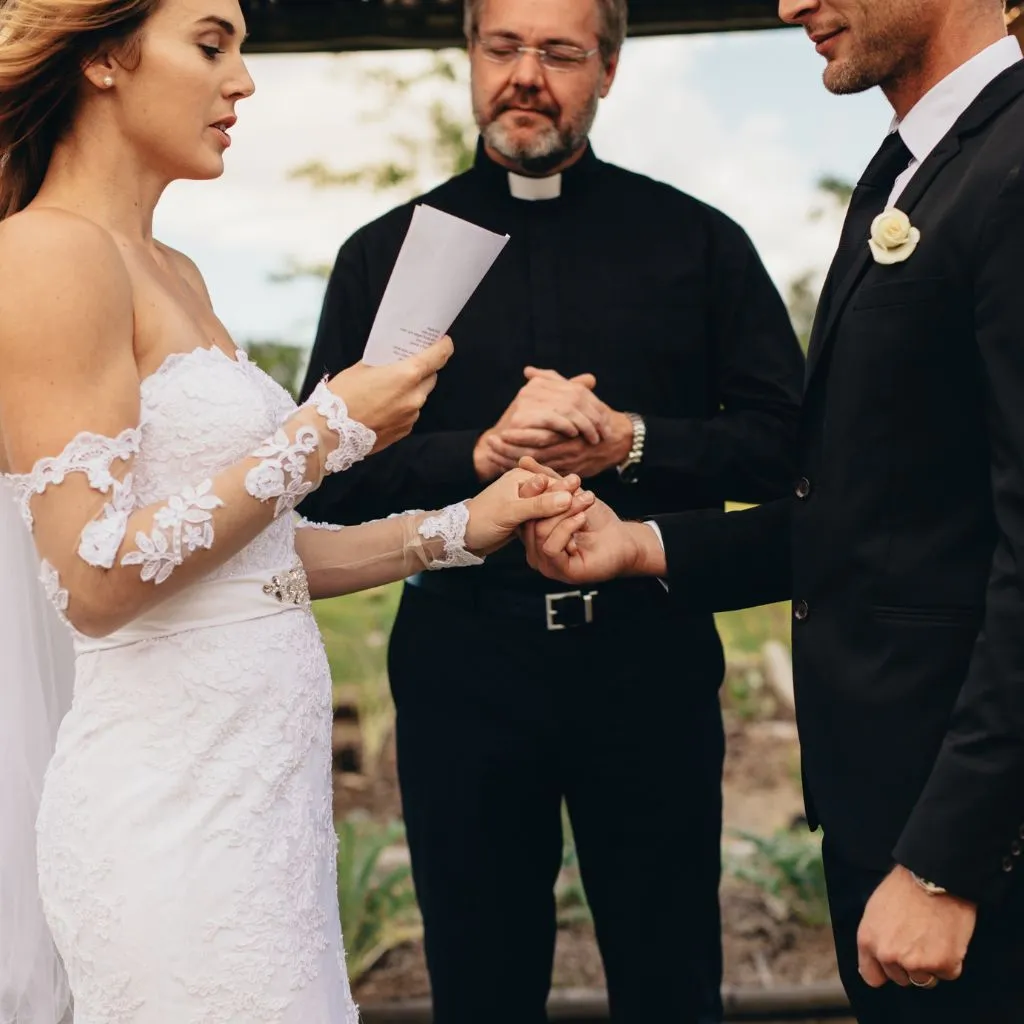
Start by Defining the Tone of Your Ceremony
Before you begin writing, decide how you want your ceremony to feel. Do you imagine something light and joyful? Heartfelt and emotional? Elegant and traditional? Modern and minimal? Your tone shapes everything—the language, readings, pacing, and overall mood.
Think about the weddings you’ve attended. Which ceremonies stayed with you, and why? You may also reflect on the aesthetic choices you’re making for your day. If you're building a romantic or editorial-inspired celebration, as explored in our guide to choosing your wedding aesthetic, your ceremony should complement that atmosphere. When the design and script feel aligned, the entire experience becomes more cohesive.
Share Your Story Through the Opening Welcome
Your officiant usually begins the ceremony with a welcome message, but the best ones don’t feel canned or generic. This moment is an opportunity to acknowledge your guests, express gratitude, and set the tone for what’s to come. You can offer your officiant a few personal notes—how you met, what you love about each other, or why this day matters.
This section doesn't need to be long; it simply needs to feel true to you. A touching welcome instantly draws your guests into the moment, helping them feel the same sense of connection and anticipation that you do.
Choosing Readings That Reflect Your Relationship
Readings are a beautiful way to layer meaning into your ceremony. Poetry, literature, song lyrics, spiritual texts, or excerpts from favorite authors can all help convey emotions that feel difficult to articulate on your own. Choose pieces that resonate with your relationship—words that capture your humor, your history, or the future you’re creating together.
If your ceremony doesn’t include readings, consider asking someone meaningful to you—perhaps a sibling, a close friend, or a mentor—to contribute a short reflection or blessing. This personal touch adds dimension and connection, making the ceremony feel less scripted and more shared.
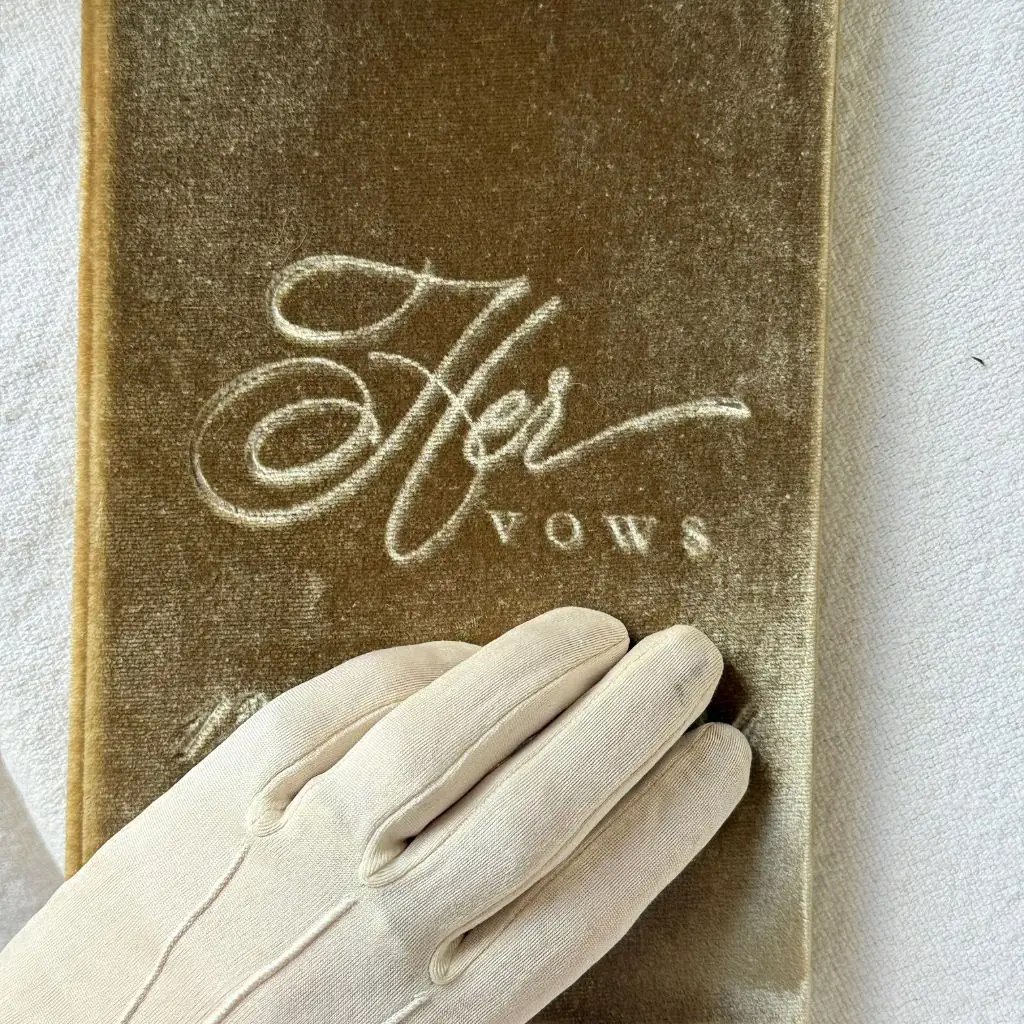
Crafting the Heart of the Ceremony: Your Love Story
This is the part guests always remember—the moment when your officiant shares the story of how your lives came together. It can be as playful or sentimental as you’d like, but it should feel honest. Include how you first met, what drew you to each other, the challenges you’ve overcome, or the moment you knew you wanted to build a life together.
Your love story isn’t a performance; it’s the emotional foundation of the promises you're about to make. When told authentically, it brings tears, laughter, and warmth to everyone listening. And it creates a natural flow into the vows that come next.
Writing Vows That Feel Like You
Your vows are the emotional center of the ceremony. Whether you write your own or personalize traditional promises, aim for clarity, sincerity, and presence. Speak from the heart—describe what you admire about your partner, how they've shaped your life, and what you hope for the future.
If you’re not sure where to start, revisit your planning materials. Sometimes, elements from your mood board or aesthetic planning can inspire your tone—soft and romantic, timeless and classic, or bold and expressive. Write freely first, then refine until the language feels elegantly simple.
Your ceremony script doesn’t have to be perfect—it just has to be yours. Authenticity is far more moving than poetry.
Choosing the Right Rituals or Unity Elements
Unity rituals—such as candle lighting, handfasting, tree planting, or exchanging letters—bring symbolic depth to the ceremony. The best rituals are the ones that already align with your personalities or your celebrations as a couple. If nothing traditional resonates with you, create your own. A shared moment of reflection, a private vow exchange before the ceremony, or even a pause to acknowledge loved ones can be equally powerful.
Whatever you choose, ensure your officiant understands the meaning behind it so they can introduce it in a way that feels connected and thoughtful.
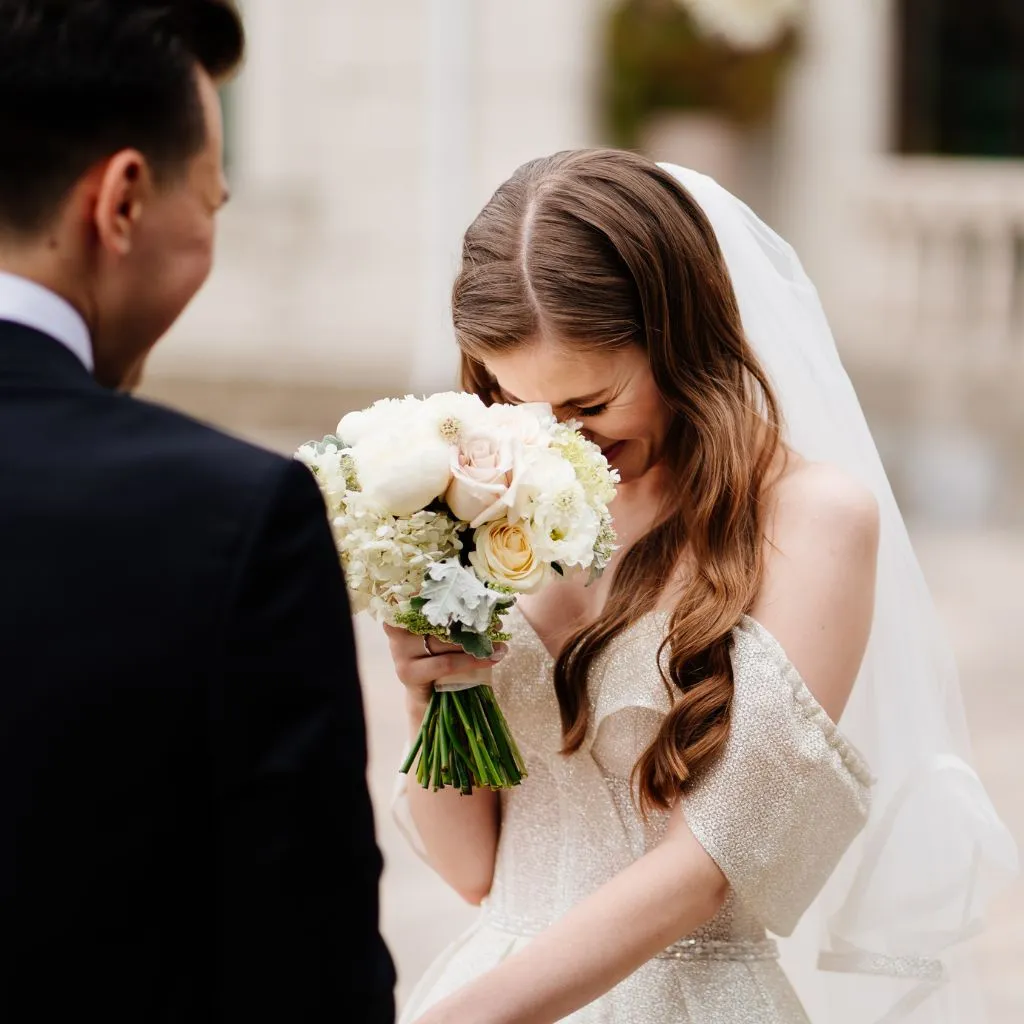
Creating a Memorable Closing & Pronouncement
The closing of your ceremony should feel joyful and celebratory. A great pronouncement builds excitement and signals the transition from intimate promises to the festivities ahead. Keep this moment short but impactful—your officiant can include a meaningful final reflection before announcing you as newlyweds.
Consider the timing of your ceremony as well. If you’re planning a golden hour celebration, use your script to support the flow of the day, similar to the planning strategies in our ceremony timing guide. A well-timed ceremony allows your photographer to capture emotional, glowing portraits immediately after the pronouncement.
Bringing It All Together With Intention
Once your ceremony script is written, read it aloud together. Make sure the pacing feels natural, the transitions are smooth, and the language reflects who you are. Share the script with your officiant and vendors early—especially your planner and photographer—so they can prepare the cues, setup, and timing needed to support each moment.
A personalized ceremony script doesn't just guide your wedding day; it becomes part of the story you’ll tell for years. When the words feel true, the ceremony feels unforgettable.
Planning your Tennessee wedding?
Explore our wedding packages or
schedule a private tour of Grahams Estate in Gallatin, TN.